
If you’re wondering how to get into the jewelry business and make it thrive in today’s digital world, you’re not alone. Jewelry e-commerce has opened the door for independent designers, retail stores, and manufacturers to grow their reach far beyond a physical shop. But success doesn’t just come from listing products online. It takes a thoughtful strategy, visual tools, and consistent service.
This guide covers everything you need to know to launch a strong jewelry e-commerce operation—from key advantages and common roadblocks to clear, proven fixes.
Why Jewelry eCommerce Is Different (And Full of Potential)
Jewelry is not a standardized product like headphones or water bottles. Each piece carries emotional weight, high value, and a personal story. That makes trust and visuals two of the most important aspects of selling jewelry online. You’re not just selling a ring—you’re helping someone mark a memory. And because jewelry is so visual, customers rely on what they see online to make that decision.
Pros of Starting a Jewelry eCommerce Business
Jewelry e-commerce is one of the few industries where creativity, emotional storytelling, and high-margin sales meet in a single business model. With the right tools and strategy, even small teams or solo designers can build thriving online businesses. As more shoppers turn to digital platforms to make meaningful purchases, this space continues to grow in both value and competition. Starting now gives you the opportunity to shape your brand identity, test ideas without major overhead, and reach customers who are actively looking for something unique and personal.
1. Global Reach, 24/7 Sales
You can run your jewelry business from anywhere, at any time. An e-commerce shop never closes, and your potential audience spans the entire globe. With the right setup, a designer based in a small town can sell high-end pieces to buyers in major cities.
2. Lower Overhead Costs
Unlike a retail storefront, an online store doesn’t need rent, in-store staff, or printed promotional material. Your budget can instead go toward digital assets that matter: photography, content marketing, and product visuals.
3. Selling on Multiple Platforms
Don’t limit yourself to one website. Jewelry e-commerce allows you to list on Amazon, Etsy, or eBay and manage everything from a single dashboard. This helps you diversify income streams and reach people where they’re already shopping.
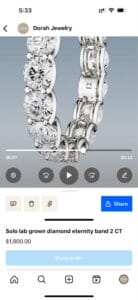
Also consider Instagram Shop, Facebook Shop, and Pinterest Shopping, which are especially powerful for visual products like jewelry. These platforms let you tag products with prices directly in posts or pins, allowing users to browse and buy without leaving the app.
4. Real-Time Feedback and Marketing Data
When your shop is online, you can track what products are viewed most, which regions bring the most sales, and what marketing works best. These insights help you spend smarter and stock smarter.
5. Pre-Sale Customization
With tools like 3D renders and interactive jewelry previews, you can let buyers see different gemstone colors, ring sizes, or engraving options before they place an order. This builds confidence and lowers returns.
Cons of Jewelry eCommerce (and How to Solve Them)
While the advantages of jewelry e-commerce are clear, it’s important to acknowledge the roadblocks that often slow businesses down. From gaining trust without physical interaction to managing visual consistency across many product variations, sellers face a unique set of challenges. But each challenge can be addressed with the right digital tools, workflow strategies, and partner support.
1. Customers Can’t Try It On
This is the most common concern in jewelry e-commerce. Jewelry is personal—people want to know how it looks and feels before buying.
Solution: Use high-quality visuals that go beyond simple photos. At Sarkissian Studio, we help brands simulate real-life views with on-body jewelry animation, 360° renders, and AR-ready content. This allows buyers to see your pieces in action, improving confidence and engagement.
2. Skepticism About Product Quality
Buyers are often unsure if a jewelry item is real, authentic, or worth the price when shopping online.
Solution: Provide clear, complete product descriptions that include dimensions, materials, certifications, and origin. Where possible, include side-by-side comparisons or magnified details using interactive jewelry previews. Customer reviews and social proof also help. If you have certifications like GIA or lab reports, add downloadable copies.
3. Unclear Inventory Strategy
You don’t need to stock every variation in every size and metal. Many newcomers overproduce or burn budget storing unsold inventory.
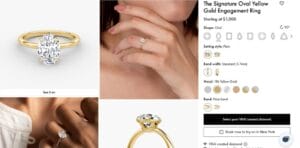
Solution: Virtual inventory is your best friend. Many jewelry sellers today use CAD and rendering to create dozens of variations using a single core design. Only once the order is placed does production begin. At Sarkissian, we work with U.S.-based manufacturers to speed this process, helping clients offer variety without the weight of overstock.
4. Building the Online Store Feels Overwhelming
Some business owners give up before they start, thinking they need to build everything in-house.
Solution: Outsource smart. You don’t need to learn web design, coding, CAD, and photography all at once. Start with the basics: clear product pages, strong images, and a simple store layout. From there, work with partners you trust. Many brands use our CAD and content solutions to fill their store with accurate, conversion-focused visuals while they focus on sales and customer service.
How to Get Into Jewelry Business Through eCommerce
If you’re starting from scratch, you don’t need a big budget or a full workshop. Begin with a few core designs or sourced pieces and focus on:
- A clean, mobile-friendly website
- Quality CAD renders or professional photos
- Honest, detailed product descriptions
- A flexible inventory model (semi-mounts + loose stones)
- Clear return and resizing policies
- A reliable production partner
From there, build visibility through Instagram, Pinterest, and digital marketplaces. Many successful sellers got their first sales through social media and scaled using interactive jewelry previews and targeted content.
At Sarkissian Studio, we support jewelry e-commerce brands with a full range of digital content and production tools—no fluff, no guesswork. From CAD files to 360° animations, on-body visualization, and social-ready jewelry renders, we make it simple for designers, retailers, and manufacturers to present their collections online. We also partner with U.S. manufacturers to speed up production, lower costs, and help you deliver faster without losing quality. Whether you’re building your first interactive jewelry store or scaling an existing one, our job is to make your digital workflow smoother and smarter—start to finish.
Final Thoughts
Jewelry e-commerce is more than an online shop. It’s a way to tell stories, reach new audiences, and build lasting value for your brand. Whether you’re an independent designer or a full manufacturer, the key to success is in how you show up online. From interactive jewelry visuals to flexible inventory and content that builds trust, every detail matters.
FAQs
How can I make my online jewelry store more interactive?
Use 360° product views, on-model animation, and AR tools that allow users to try items virtually. At Sarkissian, we work with many e-commerce stores to create interactive jewelry visuals that improve buyer confidence and drive conversions.
Do I need to manufacture all my products before I sell them?
Not necessarily. Many jewelry e-commerce businesses use virtual inventory and CAD renders to list customizable options. We’ve worked with brands who only start physical production after a purchase is made—this saves time, space, and money.
What should I prioritize when launching my jewelry e-commerce site?
Start with strong visuals, detailed descriptions, and an easy-to-navigate layout. Most of the successful stores we support at Sarkissian focus first on product presentation—through CAD, animation, and clear imagery—then grow their marketing step by step.
What platform should I use to build my jewelry e-commerce site?
There are several user-friendly platforms like Shopify, WooCommerce, and BigCommerce. Choose based on your budget, level of customization, and the features you need. Prioritize mobile responsiveness and integration with visual tools.
How do I price my jewelry for online sales?
Start by calculating material and labor costs, then research market pricing for similar designs. Factor in branding, uniqueness, and perceived value. Keep your pricing transparent and offer sizing or material options when possible.
Is it worth selling jewelry on social media?
Absolutely. Instagram and Pinterest are ideal for jewelry marketing. Interactive jewelry visuals and short videos often get high engagement. Use these platforms to build your audience and link directly to product pages. Even better, you can integrate your website with Facebook, Instagram, and Pinterest Shops, so the same products appear across all platforms. This lets you sell directly through your social media while keeping your inventory synced in one place. It’s a simple way to reach more buyers and boost sales without extra work.
How do I build trust with customers who have never bought from me before?
Start by showing transparency. Include real customer reviews, detailed return policies, and verified product certificates (e.g., GIA, IGI). Add behind-the-scenes content such as videos of your design or production process. Professional 3D renders and consistent visuals also help establish reliability and perceived quality.
What kind of jewelry photos or renders sell best online?
Images that show realistic lighting, scale, and movement perform best. Include:
-
One clean front image on a white background.
-
A 360° or animation view showing sparkle and texture.
-
On-model photos or on-body renders for scale reference.
Avoid heavy filters or inconsistent lighting — buyers want clarity and realism more than glamour.
How can I handle returns or resizing efficiently for online jewelry sales?
Have a clear, simple return and resizing policy visible on each product page. Use virtual try-on tools and precise size guides to reduce returns. For made-to-order pieces, communicate lead times and customization limits upfront. Offering in-store or partner resizing options can also improve post-purchase satisfaction.